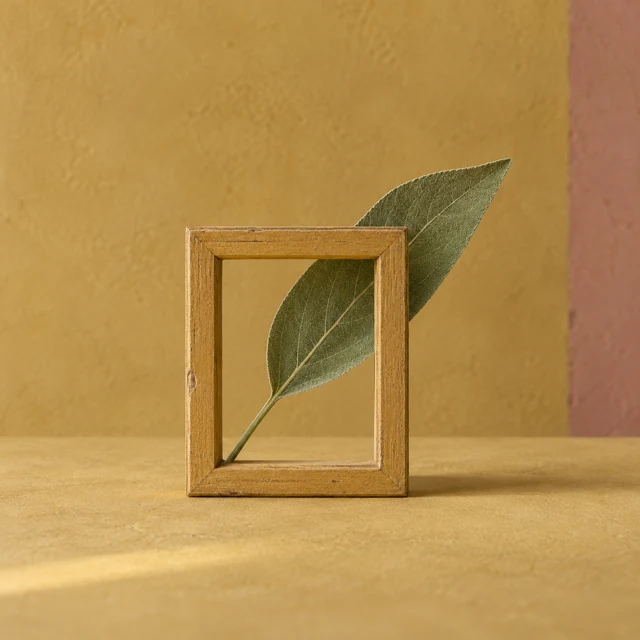
Thrift first
A thrift-first approach challenges the idea that changing our lives or surroundings requires spending money. Before asking, ‘What should I buy?’ we ask, ‘What do I already have, and how could I use it?’
Choosing used, inherited, repaired and repurposed things first reduces consumption. It also does something harder to measure: these objects carry memories, history, imperfections and surprises. They allow a home and a life to unfold as a story, rather than a ready-made identity purchased in the form of brand-new things.
Objects can also connect us to people, places and periods in our lives. A cup from a friend, a table we have repaired or a garment that has stayed with us for years can remind us that we have a history and relationships. Keeping these things and giving them a continuing role can strengthen our sense of belonging.
This approach also exercises the imagination. Constraints call for more creativity than ready-made solutions. A meaningful home need not be bought into existence. It can emerge through reuse and repurposing.