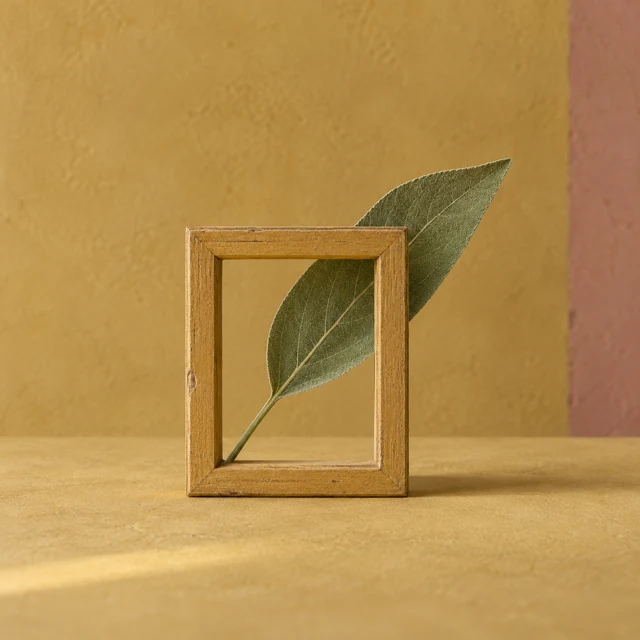
We are living beings before we are consumers, designers or even conscious thinkers. We sense before we analyse. Our bodies are continuously reading our surroundings: light, sound, temperature, texture, spatial relationships, signs of safety, possibilities for movement and traces of the living world. Much of this happens below conscious awareness, yet it can influence how easy it is to rest, focus, move, connect, create and simply be.
The ideas in this bank come from different places — philosophy, psychology, neuroscience, architecture, ecology and design — and they do not form one finished theory. I bring them together because each offers another way of noticing the relationship between a person and a place. Embodiment asks us to include the body. Biophilia reminds us that we are part of nature. Neuroarchitecture explores how surroundings interact with brain and nervous system. Affordances draw attention to what a space invites us to do. Imagination and play help us see possibilities beyond convention. Awe can loosen the boundaries of the self and reconnect us with something larger.
None of these concepts is offered here as a recipe or a single truth about how a good home should look. They are lenses. Questions. Things to experiment with. The point is not to create the “right” home, but to become more attentive to what your surroundings are already doing — and to ask what they might do differently.